
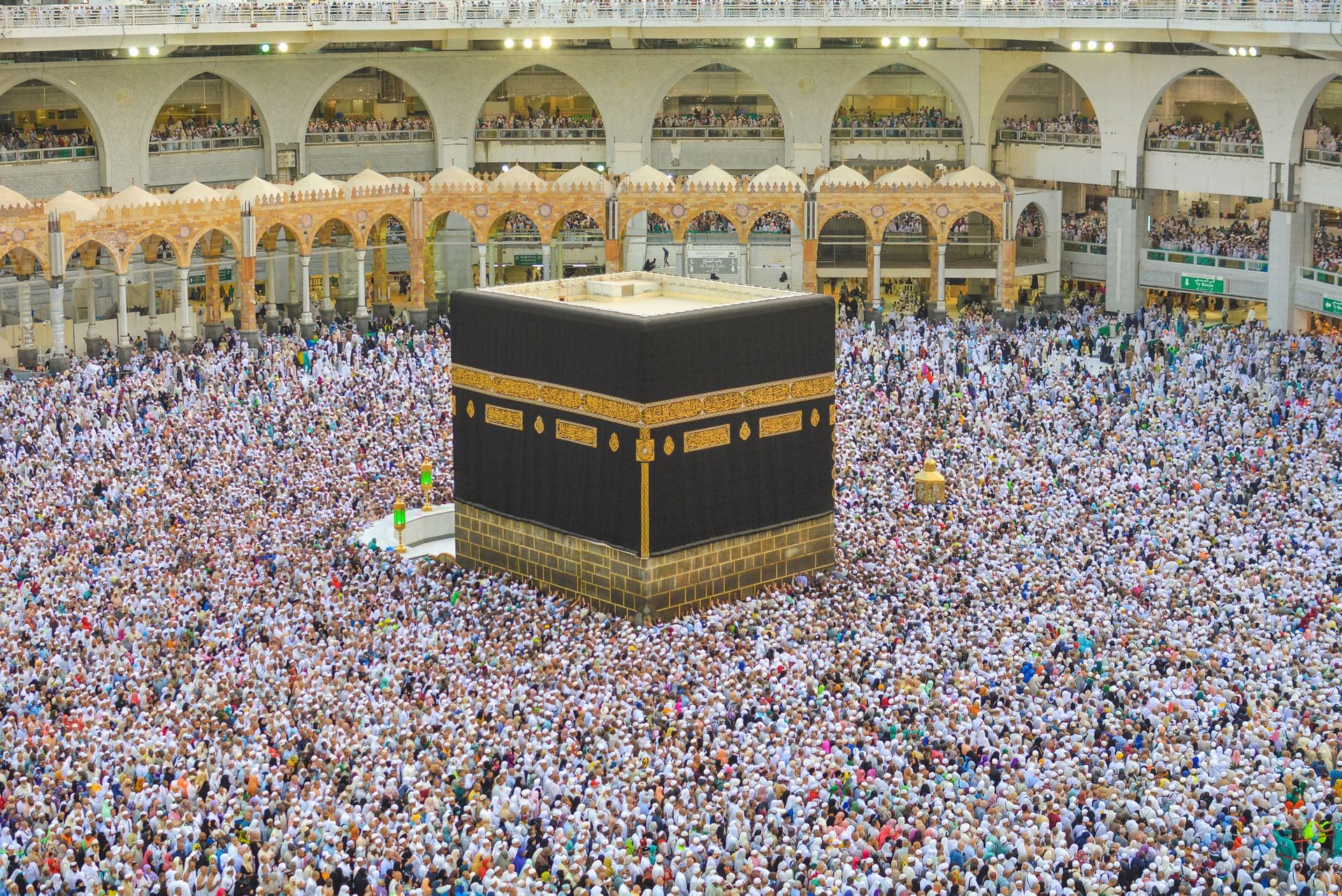
Hajj 2026 – A Complete Guide for Pilgrims
Understanding Hajj
Hajj is the annual pilgrimage to Makkah that every physically and financially able Muslim is required to perform at least once in their lifetime. It is the fifth pillar of Islam, and it takes place during a fixed window of days in the Islamic month of Dhul Hijjah — the twelfth and final month of the lunar calendar.
Because the Islamic calendar is lunar, the Gregorian dates of Hajj shift earlier by roughly ten to eleven days each year. Pilgrims planning for the upcoming season should confirm exact dates closer to the time and begin preparations well in advance, since visas, flights, and accommodation near the Haramain fill up quickly.
The Days of Hajj
The core rites of Hajj unfold over five to six days, beginning on the 8th of Dhul Hijjah (Yawm at-Tarwiyah), when pilgrims enter the state of Ihram and proceed to Mina. On the 9th (the Day of Arafat), pilgrims stand in prayer and supplication at the plain of Arafat from noon until sunset — widely regarded as the spiritual peak of the entire pilgrimage.
As night falls, pilgrims move to Muzdalifah to pray and collect pebbles before returning to Mina for the symbolic stoning of the Jamarat over the following days, commemorating the Prophet Ibrahim's steadfastness. Pilgrims then perform Tawaf al-Ifadah — circling the Kaaba — and Sa'i between the hills of Safa and Marwah, followed by the sacrifice (Qurbani) and the trimming or shaving of the hair, which marks the formal completion of the major rites.
Preparing for the Journey
Physical preparation matters: Hajj involves long hours of walking and standing, often in high heat, so building stamina in the months beforehand is worthwhile. Pilgrims should also ensure routine vaccinations are up to date, as Saudi authorities require specific immunizations (including for meningitis) for Hajj visa issuance.
Documentation should be arranged early — a valid passport with sufficient validity, the Hajj visa itself, and any airline or package-specific paperwork. Packing sensibly for Ihram (two unstitched white sheets for men, modest everyday clothing for women), comfortable sandals, a small first-aid kit, and a lightweight bag for the days spent in Mina and Arafat will make the physical experience considerably more comfortable.
Choosing the Right Package
Hajj packages typically differ along a few key lines: proximity of hotels to the Haram, the type and size of tents in Mina and Arafat, meal plans, and the level of on-ground guidance provided by scholars and group leaders. Pilgrims travelling with elderly family members may prioritize closer accommodation and smaller shared tents, while those on a tighter budget can still access essential guidance and logistics through more affordable package tiers.
Whichever package you choose, confirm what is included versus what is arranged separately (such as Qurbani through the Saudi Masar system), so there are no surprises once you are in the Holy Land.
Keeping the Focus on Ibadah
Ultimately, Hajj is a deeply personal act of worship. Logistics — flights, hotels, transport, and meals — exist to remove distractions, not to become the focus. Pilgrims are encouraged to spend the weeks before departure in reflection, seeking forgiveness, settling debts and disputes, and setting a sincere intention, so that once they arrive, their hearts are free to fully engage with the rites ahead of them.