
Umrah – A Sacred Journey of Peace and Devotion
What is Umrah?
Umrah is often called the 'lesser pilgrimage.' Unlike Hajj, it is not obligatory and can be performed at any point during the year, making it a beautiful opportunity for believers to visit the Haramain more than once in their lifetime. Its core rites — Ihram, Tawaf, and Sa'i — are shorter in duration but no less spiritually significant.
Hajj vs. Umrah
The clearest distinction is timing and obligation: Hajj must be performed within specific days of Dhul Hijjah and is mandatory once in a lifetime for those who are able; Umrah has no fixed calendar window (aside from a few days that are discouraged) and is voluntary, though highly recommended. Umrah also omits several Hajj-specific rites, such as the standing at Arafat and the days in Mina, making it a considerably shorter journey — often completed within a few hours once a pilgrim arrives in Makkah.
The Steps of Umrah
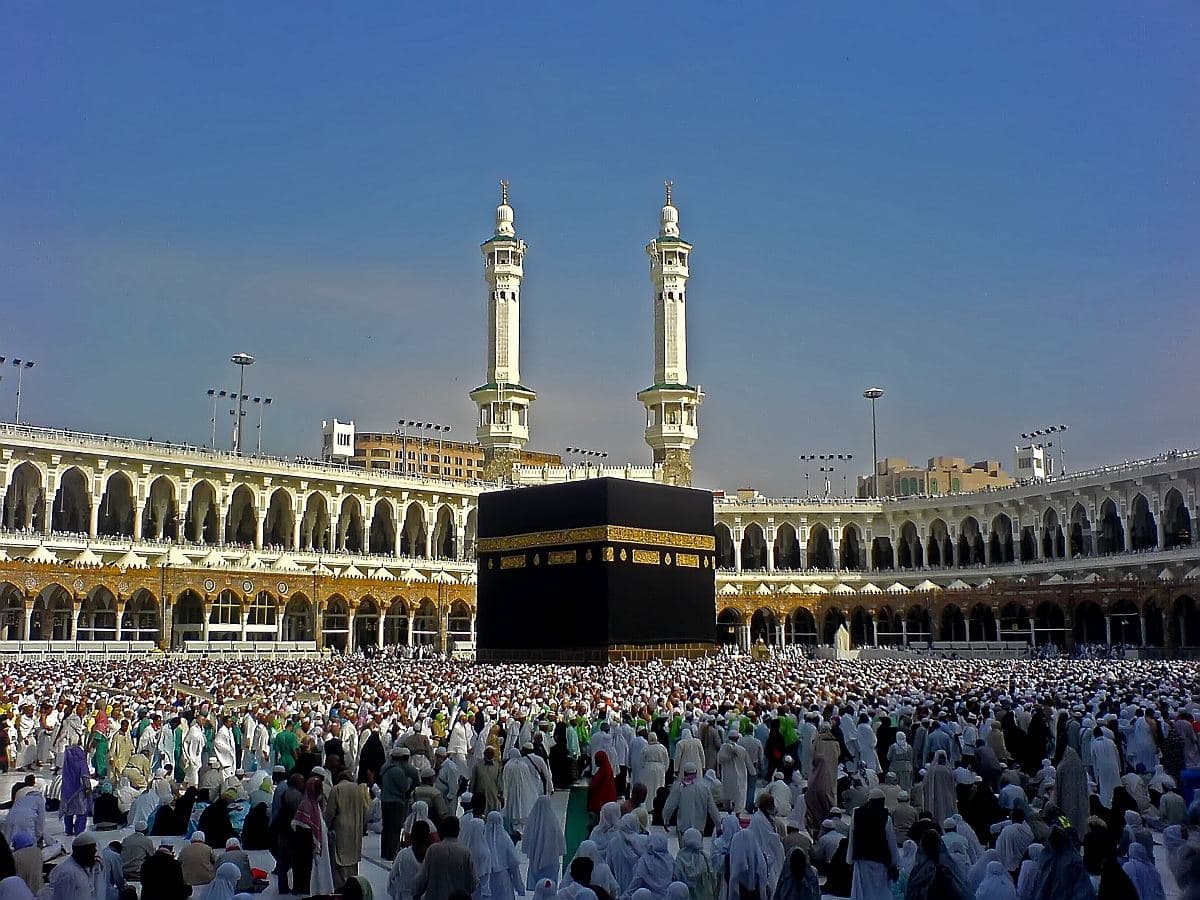
A pilgrim begins by entering the state of Ihram at the designated Miqat, making the intention (niyyah) for Umrah. Upon arriving at the Masjid al-Haram, they perform Tawaf — seven counter-clockwise circuits around the Kaaba — followed by two units of prayer near Maqam Ibrahim where possible.
Next comes Sa'i, walking briskly seven times between the hills of Safa and Marwah, recalling the story of Hajar's search for water for her infant son Ismail. The rites conclude with Halq or Taqsir — shaving or trimming the hair — after which the restrictions of Ihram are lifted.
When to Go
While Umrah can be performed year-round, Ramadan is considered especially virtuous, with a well-known narration equating an Umrah performed during Ramadan to the reward of Hajj. That said, this popularity also means larger crowds and higher prices during the holy month, so pilgrims seeking a quieter, more contemplative experience may prefer the cooler months outside of Ramadan and the Hajj season.
Travelling with Presence
Because Umrah requires far less logistical coordination than Hajj, it is easy to let the trip become transactional — hotels, transfers, shopping. The real reward lies in guarding your time in front of the Kaaba and at the Rawdah in Madinah: reciting Qur'an, making sincere du'a, and reflecting on the immense privilege of standing in these places. A good travel partner handles the visas, flights, and stays quietly in the background, so that your heart can remain entirely with your Ibadah.